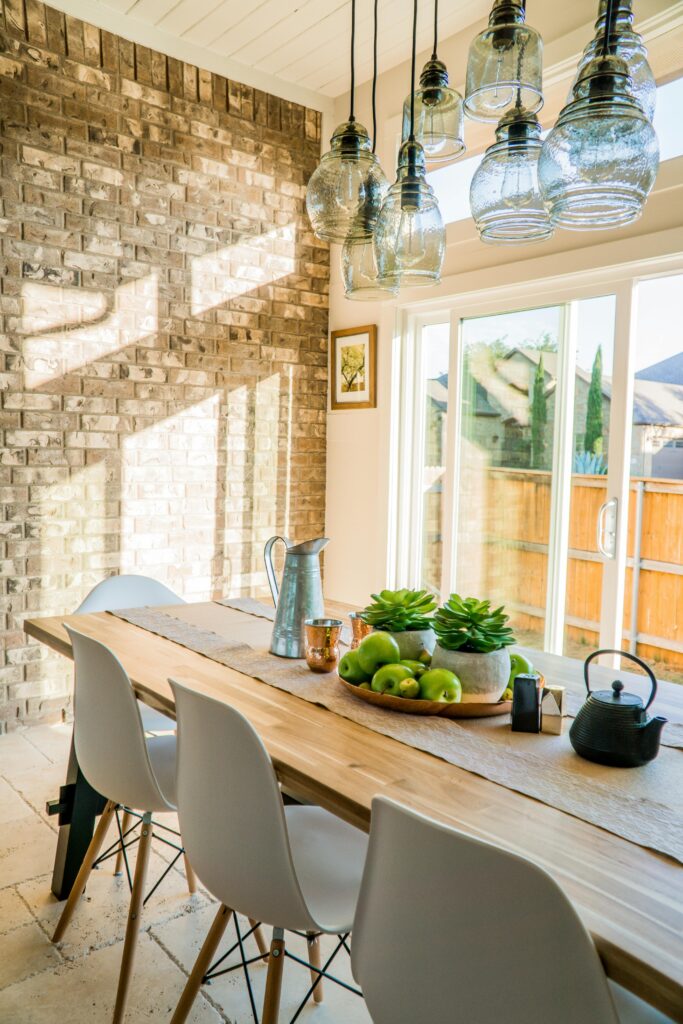
Savannah Style on a Budget: Affordable Ways to Refresh Your Space 

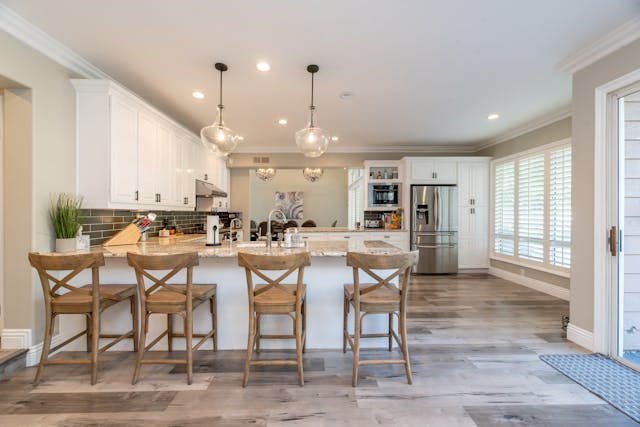
Savannah is full of charm, character, and design inspiration—but giving your home a fresh look doesn’t have to come with a steep price tag. Whether you’re sprucing up a historic bungalow in Ardsley Park or adding personality to your apartment downtown, there are plenty of budget-friendly ways to infuse your space with Savannah style. Here are some of our favorite ideas that won’t break the bank. 

1. Shop Local—Thrift Smart 

Savannah’s full of hidden gems when it comes to secondhand treasures. Places like Habitat for Humanity ReStore, Picker Joe’s Antique Mall, and Two Women and a Warehouse offer everything from gently-used furniture to quirky vintage finds. Look for solid wood pieces, ornate mirrors, or brass accents that capture that classic Southern elegance. 

2. Add Greenery for Instant Charm 

Nothing brightens a room like a little bit of life. Pick up some easy-care indoor plants (snake plants, pothos, and fiddle-leaf figs are local favorites) from spots like Rooted Trading Co. or Henny Penny Plant House. Pop them into woven baskets or vintage pots for a coastal-meets-cottage feel. 

3. Paint: The Ultimate Budget Upgrade 

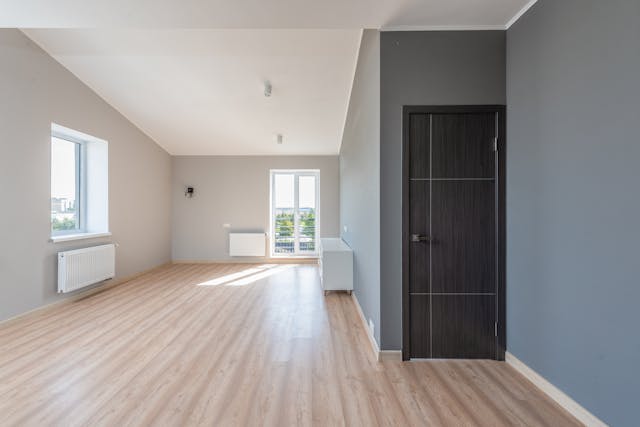
A fresh coat of paint can completely transform a room. Stick with airy colors like soft sage, muted peach, or classic ivory to mirror Savannah’s historic homes. Try painting just one accent wall—or even a piece of furniture—for a quick, affordable update. 

4. Mix Old + New 

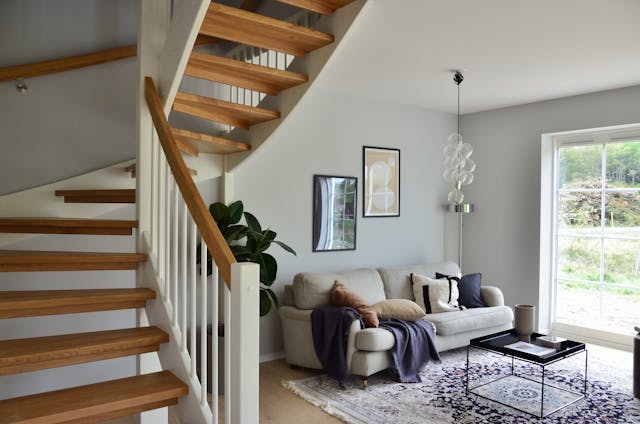
Savannah’s style is all about blending eras. Pair a modern sofa with a thrifted side table, or hang a contemporary piece of art above a vintage credenza. This contrast adds depth and makes your space feel collected, not cookie-cutter. 

5. Textile Swaps = Instant Cozy 

Switching out throw pillows, blankets, or curtains is a small change with big impact. Think light linens in summer and cozy velvets in winter. Bonus points for using fabrics that nod to the Lowcountry—like seersucker stripes or botanical prints. 

6. DIY Savannah-Inspired Art 

Create your own wall decor using photos of the Spanish moss-draped oaks, Forsyth Fountain, or Tybee Island sunsets. Print them in black and white or sepia tones and frame them for a personal touch that feels high-end but costs next to nothing. 

Final Thought: 
You don’t need a big budget to live beautifully in Savannah. A little creativity, a few thoughtful swaps, and a touch of Southern charm go a long way. Start small, shop smart, and let your space tell your story. 
Timeless Interior Paint Trends: Bringing British Elegance to Your Savannah Home 

Our home, Savannah, is known for its charming architecture and rich history. It’s one thing that pulls visitors to our small riverside town. In fact, a walk down the popular East Jones and Gaston streets will take you to some of the prettiest houses you’ll probably ever see!  

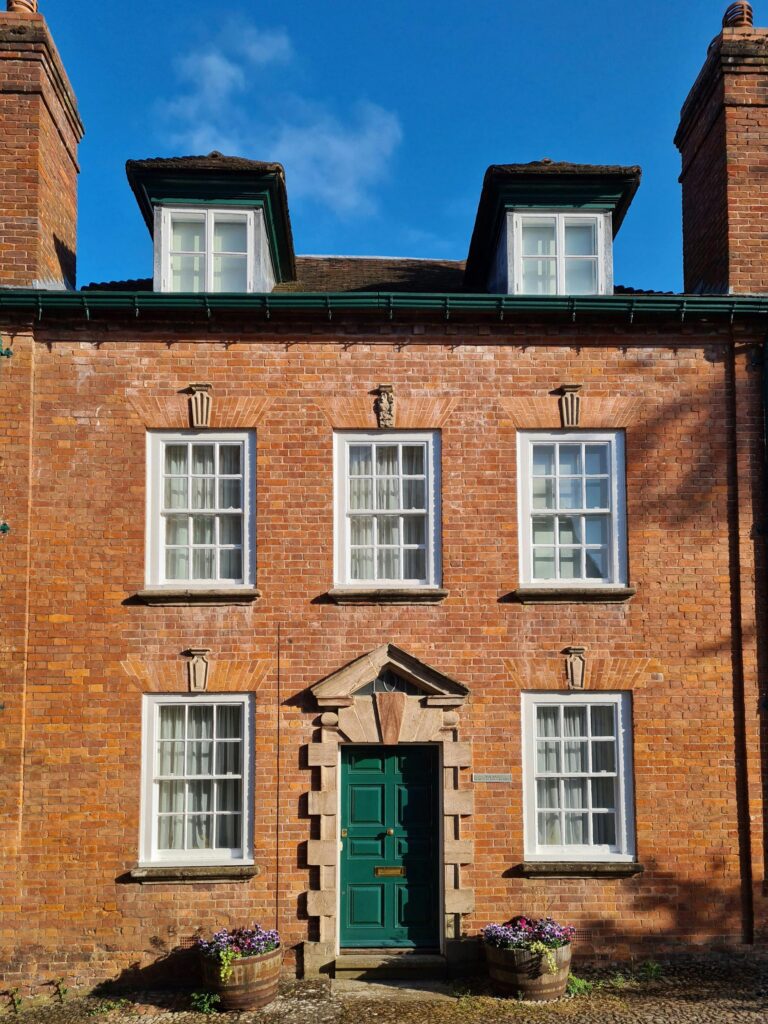
While you’ll find different styles exploring our architecture, one that’s sure to leave a lasting impression is the influence from 18th century England Georgian homes. And if you’ve been wanting to achieve a similar theme, you don’t have to jump into full construction mode.  

You can always start refreshing your home from the inside. 

Welcoming English-Inspired Interiors into Your Place in Savannah 

Going back and forth deciding what to choose between timeless or trendy designs? Why not try to incorporate both?  

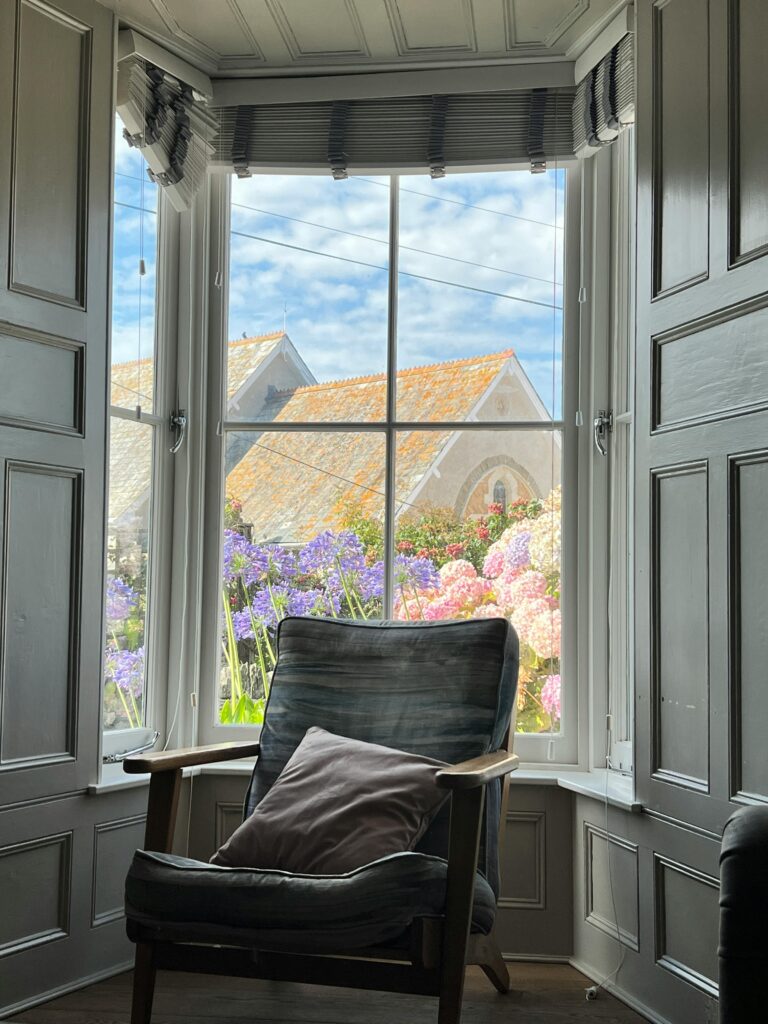
You can adopt the classic British color schemes and complement local architecture at the same time. Consider these English countryside palettes that are bound to make your home look a lot more stunning. 

  • Soft muted hues. Think soft grays and dusty pinks. These gentle colors make for a timeless, relaxing feel. They never get old, are very versatile, and effortlessly create a calming atmosphere.  
  • Delicate pastels. If you want to create an airy setting reminiscent of spring, consider pastels, such as lavender, mint, and soft sage. These colors can help reflect light and make a room feel bigger.  
  • Classic neutral tones. It’s hard to go wrong with creamy white and beige. These beautiful tones can work with almost any design style, which is why they’re often the go-tos of many property owners. They’re also perfect for achieving a serene feel. 
  • Deep, heritage hues. If you’re looking to skip the usual light neutral tones and instead incorporate warm, richer hues, then try rustic orange and deep burgundy. Celebrate the autumn season in your home with your paint choices and create an inviting space.  

You don’t have to set aside your personality and unique preferences when complementing your home’s architecture. Consult with an interior designer, so you can invest in the right colors, avoid wasted or unused paints, and create a setting you’ll love for a long time.  

Using High-Quality Paints and Decorative Painting Techniques 

Painting is a cost-effective way to update your interiors, but you have to be careful with the products you’re using. Choosing to spend extra upfront and investing only in high-quality paints can earn you long-term savings. 

  • These products resist fading and are extremely long-lasting. And because of this, your walls, ceilings, or any surface you apply them on will require fewer touch-ups. Less frequent repainting translates to more savings, as opposed to going for cheap paints that don’t adhere well and will need touch-ups more often. 
  • Quality paints also make the project a lot easier and faster to carry out. They offer better coverage, which means fewer coatings. And they do a great job covering imperfections because of their superior consistency. You’ll achieve a smooth finish in less time.  
  • Often, premium paints are also more environmentally-friendly. They don’t emit an unpleasant odor that can be harmful when inhaled. They also tend to dry faster, helping shorten your project’s turnaround time.  

If you want to elevate your interior design, professional painters can incorporate decorative paint techniques in their work. They can use stencils to create intricate designs and patterns, and turn an ordinary wall into an accent piece.  

Another technique, called dry brushing, can add interest to surfaces and leave a rustic, handcrafted finish. If you’re after a striped, fabric-like pattern, dragging or strie can do the trick. 

Mastering these techniques requires years of experience and utmost attention to detail. If you find a local contractor that offers these services and does them perfectly, then you’re looking at an example of superior craftsmanship.  

Reminds us of a recent business trip to West Sussex in England, where we had the wonderful opportunity working with a talented team specializing in traditional painting and restoration work. The lovely team of house painters in Chichester showed us samples of their decorative painting works, which we eventually used for the project, and which inspired this post! 

Ready to Update Your Interiors? 

Isn’t it great that Savannah’s architecture has traces of British architecture, and we can transform our interiors at any time to resemble what we’d see in an English country house?  

We get so excited just thinking about the many design possibilities we can explore. 

So, do you already have a particular concept in mind? Did any of the timeless interior paint trends we’ve mentioned interest you? We’d love to hear it! 

Sustainable Interior Design: Eco-Friendly Materials and Practices  

Are you starting to become a conscious consumer? 

If so, you’ve probably heard about sustainable or green interior design. It’s not just a passing trend. It’s here to stay. And contrary to what others may think, making interiors eco-friendly doesn’t have to be costly. This practice can even pay for itself in the long-run. 

Regardless of your budget or the size of the project, there are fun ways to reduce waste and lessen impact to the environment. For your new dining table, for example, wood is a great idea, but we must make sure that no endangered tree was harmed or destroyed to produce it. 

That brings us to choosing materials and adopting practices that are considered earth-friendly.

Sustainable Materials 

Are there pointers you can consider to know if a material is sustainable? For a start, think of durability and longevity. 

Reclaimed wood and recycled glass are popular examples. You don’t have to spend on ‘new’ decor. Going for recycled, thrift, or second-hand furniture means no new materials were spent to update your interiors. And, sometimes, these pre-loved pieces are even more durable than brand new ones in stores. Not to mention, they lend a unique character to a space. 

As for textiles, lab-grown cotton and leather alternatives allow for responsible fabric use. You can also turn old clothes into pillow shams, art pieces, or displays. The key is to try buying less but better when refreshing your home or place of business.  

Eco-Friendly Practices 

Incorporating eco-friendly interior design practices is just the beginning. This approach must be carried out daily, so you can further appreciate its benefits. 

  • Install low-impact lighting. Switch to energy-efficient lighting fixtures and welcome as much natural light as possible for everyday tasks. This can also help minimize reliance on heating equipment.  
  • Conserve water and energy. If you must invest in new appliances, always look out for energy efficiency ratings. They consume less power, helping reduce electricity bills. The same goes for technology that uses water, such as washing machines, toilets, and shower heads. Choose water-efficient options to reduce your home’s consumption. 
  • Think of timeless designs. Over time, your taste might change. You might no longer like how your interiors appear. For your next renovation, consider adaptable designs that you can quickly swap out or breathe new life into. Instead of applying bright paint colors, consider neutrals as they work well with a wide variety of shades. Look into furniture that can be used in different areas or can serve multiple purposes. Avoid hopping on trends that may only look cool now.  
  • Try to use what you already have. You don’t have to bring in new items each time you’re redecorating. With creativity, we can make old items feel and look like new. Furniture can be repainted or swapped between rooms. Old chairs can be reupholstered.  
  • Choose quality over quantity. In making interiors more sustainable, we also seek to reduce waste. Always think about your existing decors and furniture before investing in new ones. Avoid duplicates and items that will only be left unused. Reduce clutter and ensure intelligent use of space. 

Designing interiors for sustainability doesn’t mean buying expensive ethically-sourced pieces. It’s more about prioritizing long-term use. Designers would not ask you to buy more for the sake of introducing something new. Updates can consist of old, unwanted pieces for others, but are useful and stylish additions to your space.